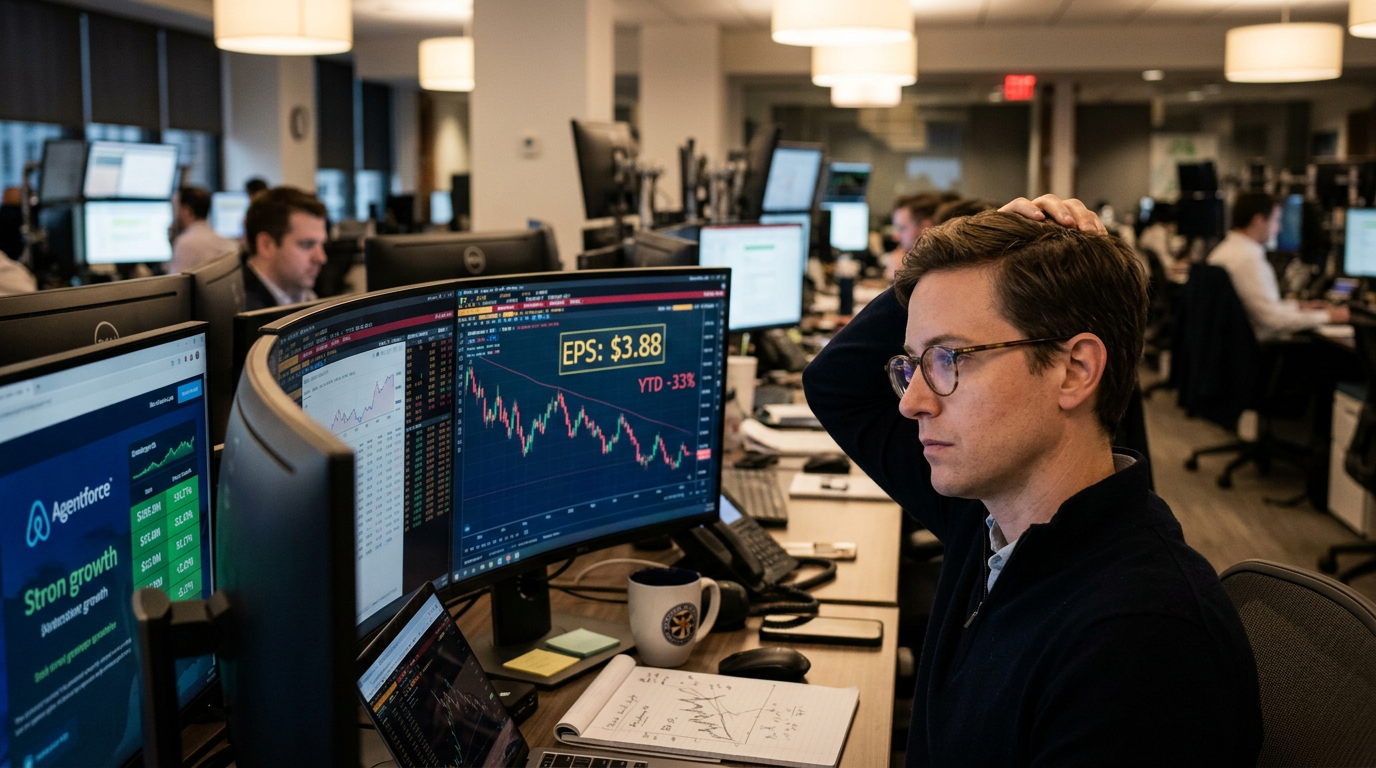
The S&P 500 is sitting near 7,491 as of June 19, 2026, up roughly 25.5% from a year ago and about 8.5% year-to-date after a volatile stretch that included an Iran war-related drawdown and a sharp recovery since late March. The Dow closed at approximately 51,565 on June 18. The Nasdaq Composite is at 26,517. Markets are closed today for Juneteenth. When trading resumes Monday, the macro backdrop deserves a fresh look, because the leadership story in 2026 is not what most traders positioned for coming into the year.
Energy is the best-performing S&P 500 sector year-to-date with a total return of over 22%. Information Technology is second at roughly 17.1%. That’s the number that catches people off guard. The sector rotation has been real, sustained, and increasingly institutional in nature.
Capital has been shifting out of speculative tech and AI names and into what strategists are calling “real economy” stocks. Industrial, consumer defensive, and energy equities are outperforming the broader market by a wide margin, offsetting weakness in communication services, consumer cyclicals, and even financials.
The Stocks Driving It
Caterpillar is up 32% in 2026. That’s not a rounding error. Industrial stocks broadly have gained more than 16% this year, with CAT acting as the single largest contributor. The tailwind here isn’t complicated: AI data center construction requires heavy equipment, infrastructure buildout, and materials movement at scale. Caterpillar sits at the intersection of that demand in ways most investors haven’t fully priced in. Technical support near $780 has been tested and held.
Exxon Mobil is up roughly 26% this year and has been responsible for more than 7 percentage points of the energy sector’s overall return. Morningstar raised their fair value estimate to $142 per share after Exxon released 2030 guidance indicating higher earnings and lower capital spending in the years ahead. Chevron has returned approximately 21.8% and accounts for another 3.4 percentage points of the sector’s total return, with production expansion in Venezuela on the watchlist for the next leg higher.
Consumer defensives are up 13.3%, with Walmart and Costco leading. Walmart technical support has been identified near $908.90 by quantitative analysts tracking the rotation. Cost-conscious consumer spending has created a durable bid under both names even as discretionary peers have lagged.
What the Macro Is Telling Traders
The Federal Reserve situation is the key variable right now. New Fed Chair Kevin Warsh, in his first meeting as chair, indicated the possibility of a rate hike this year. That’s what rattled markets on June 18 before the partial recovery. Equity indexes and yields both moved Thursday as traders recalibrated. Micron earnings and FedEx results are on deck for next week, followed by GDP and May PCE data later in the month. Those readings will either validate or challenge the current risk-on recovery.
On the geopolitical side, the US-Iran situation has introduced oil price volatility that directly benefits the energy sector’s dominant positioning. Despite the ongoing Middle East conflict, both sides have expressed willingness to resume negotiations, which introduced some relief buying into broader risk assets this week. Watch crude closely. A meaningful escalation spikes energy equities further. A ceasefire removes a tailwind that’s been baked into valuations.
Scenario Modeling
- Bull Case: PCE and GDP data confirm continued growth, Fed holds on rate hikes, oil stays elevated above $85 on geopolitical tension. CAT breaks to new highs above current levels, XOM pushes toward $142 fair value. S&P 500 tracks toward Goldman’s 8,000 year-end target.
- Base Case: Moderate economic data, Fed stays on pause through Q3, energy sector consolidates gains. Rotation continues but at slower pace, with S&P 500 trading between 7,400 and 7,800 into Q4.
- Bear Case: A rate hike materializes, Iran conflict escalates into supply disruption that hits consumer demand, and earnings disappoint at $310 versus the consensus $334. S&P 500 tests 7,000-7,200 support, industrial and energy stocks give back 10-15% of their year-to-date gains.
Active Trader Strategy Framework
The rotation into energy and industrials is no longer a contrarian call. It’s the consensus that’s actually playing out in price. The question now is durability. Traders entering these names at current levels are not getting the easy early-cycle entry that existed in January. Caterpillar at 32% year-to-date gains is a different risk profile than Caterpillar at the start of the year.
What matters is the next catalyst. GDP and PCE data later this month will be the first real stress test for this rotation thesis in several weeks. If the consumer is weakening more than expected, defensive positioning in energy names like Exxon looks more durable than cyclical exposure in CAT. If growth data holds, the industrial bid likely has legs into Q3.
Position risk should be sized around Fed communication. Warsh’s first meeting introduced hawkish language that the market hasn’t fully absorbed yet. A second hawkish signal could be the rotation’s first meaningful headwind. Keep stops disciplined. The macro environment has been unpredictable in 2026, and that’s unlikely to change before year-end.
For informational and educational purposes only. Not investment advice. Trading involves risk, including loss of principal.