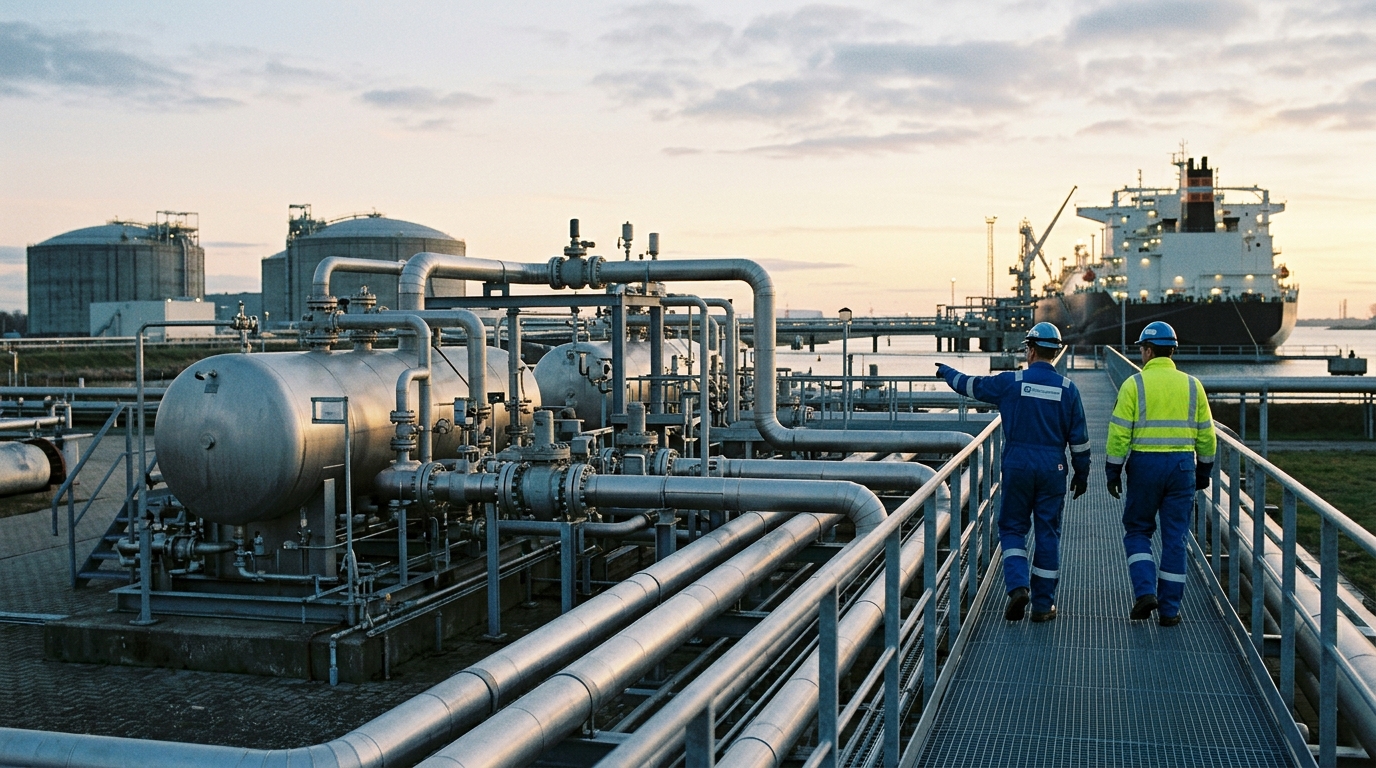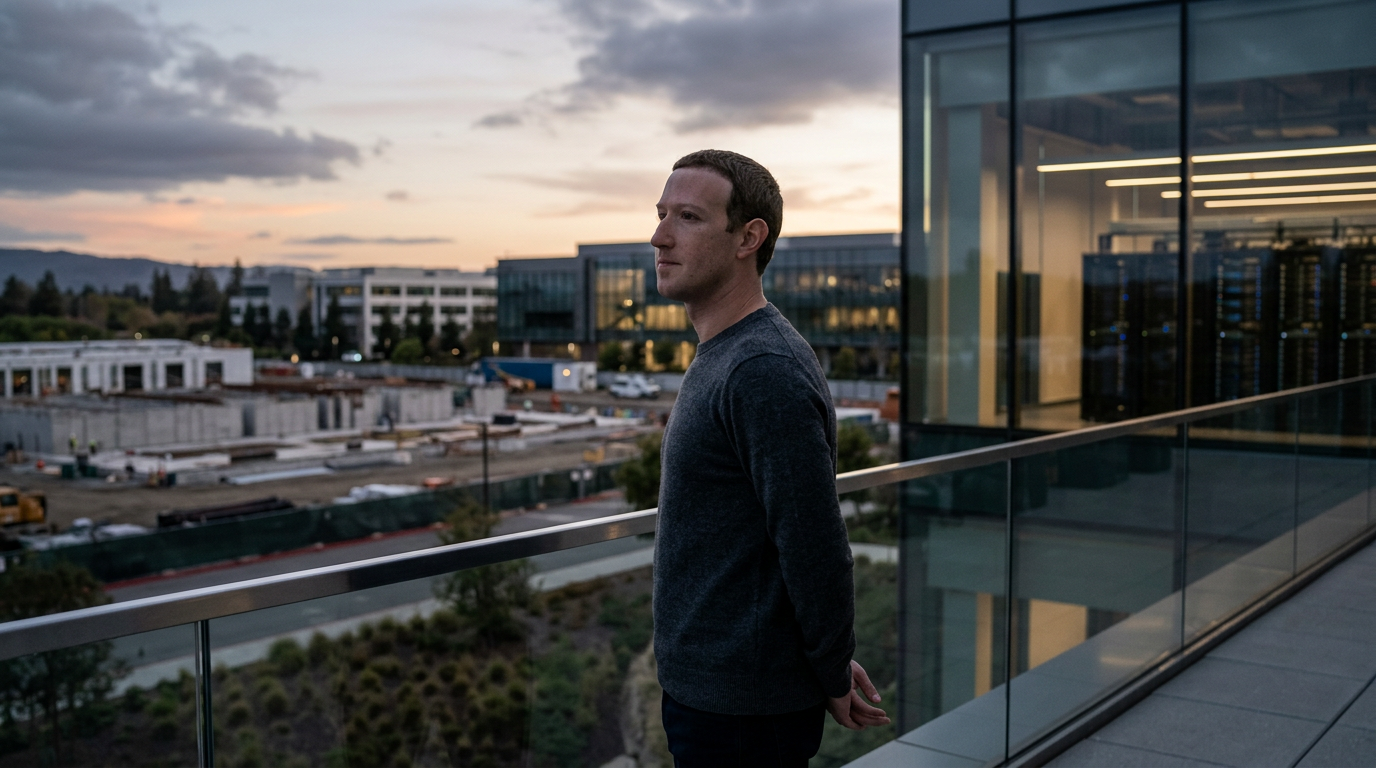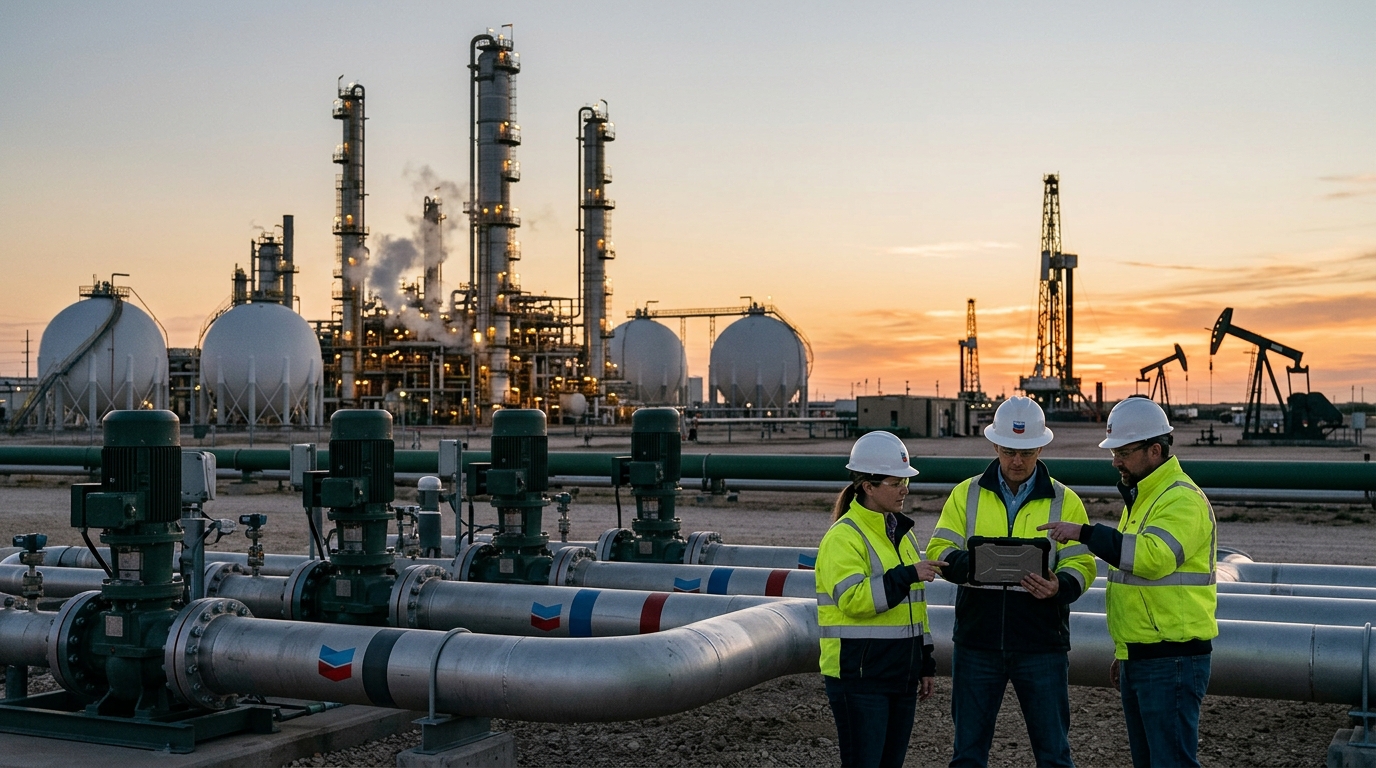
The headline number is hard to argue with. Chevron reported a blowout second quarter, its biggest quarterly profit in years, as the Middle East conflict pushed oil and product markets sharply higher. The stock moved higher on the open.
The instinct is to file this under a war-driven windfall and move on. That would miss the more important story.
Two Machines Running at Once
Chevron is generating record results right now because of two overlapping forces: a geopolitical shock it cannot control, and an operational transformation it spent several years engineering. The market tends to credit only the first and discount the second. That gap is where the investment case lives.
On the geopolitical side, the Strait of Hormuz conflict has been relentless. Late this week, Brent crude traded around the high-$80s as the war continued to threaten shipping and raise fears about supply. Chevron CEO Mike Wirth told CNBC that the threat to global oil supplies has expanded beyond Hormuz itself, with Yemen’s Houthis drawing the Red Sea into the fighting.
That environment produced extraordinary refining results. Chevron’s downstream profits surged year over year as supply disruptions lifted refining margins while U.S. refineries ran hard to meet demand.
But the upstream story is arguably more durable. Chevron has pointed to record U.S. production and a faster-than-expected ramp in integration benefits from Hess. Chevron has also highlighted progress on its structural cost reduction program.
The Part Nobody Is Pricing
Here is what most energy analysts are not spending much time on: Chevron signed a 20-year power purchase agreement with Microsoft in June to develop Project Kilby, a co-located natural gas power facility in West Texas that will provide dedicated electricity to a Microsoft-operated data center under a long-term contract. Chevron says the project is expected to deliver approximately 2.67 gigawatts of capacity, built through a phased, modular approach, with first power targeted for 2028.
The generation is expected to come from large natural-gas turbines, and the facility is designed to be behind-the-meter, meaning it produces its own energy on-site rather than relying on the regional grid. Chevron has described the project as a way to pair Permian gas supply with hyperscale power demand.
That last point deserves attention. An integrated oil major is explicitly describing a business line that is meant to be less sensitive to crude oil cycles. The Permian Basin produces vast quantities of associated natural gas as a byproduct of oil extraction, making Chevron a structurally attractive partner for hyperscalers trying to build AI infrastructure near a fuel source. Chevron is not selling power as a sideline. It is building a diversified revenue stream designed to outlast any commodity cycle.
No other Western oil major has moved this directly into AI power infrastructure with a named hyperscaler and a fully structured long-term contract in place.
The Geographic Pivot Under the Surface
The Hormuz crisis has also forced a visible strategic rethink. Chevron has signed agreements with Iraq that advance its commercial negotiations for the West Qurna 2 and Nassiriya oilfields, and it signed a heads of agreement with the governments of Iraq and Syria to explore a potential cross-border oil pipeline project to the Mediterranean.
Wirth has been direct that the danger to supply lines now reaches well past the Strait of Hormuz, as Iran-backed Houthi forces have drawn the Red Sea into the fighting. Chevron is not waiting for diplomacy to solve that problem. It is moving capital toward assets and routes that are less exposed to chokepoint risk.
For investors, this matters because the war premium in crude oil will not last forever. Companies that use this period to strengthen their non-geopolitical earnings power will weather normalization better than those that simply ride the price spike.
Investment Spotlight
Chevron (CVX) enters the second half of 2026 with momentum that looks more like 2022 than the softer quarters investors were modeling earlier this year. The stock is still not back to its 2022 highs. The valuation discount reflects real concerns about what happens when crude moderates, but it does not fully account for the Hess integration ramp, the cost savings program, or the optionality embedded in Project Kilby.
Investors who want exposure to the same themes at a different risk profile should look at the infrastructure names supplying Chevron’s new business. Chevron has said Project Kilby will use large gas turbines from GE Vernova. Both GE Vernova and other industrial suppliers stand to benefit from AI power demand regardless of where oil prices settle.
Risks to Watch
The obvious risk is rapid de-escalation in the Middle East. If Hormuz fully reopens and global crude inventories rebuild quickly, the refining tailwind that helped drive this quarter will fade.
Project Kilby’s final investment decision has not yet been made. The project carries regulatory and permitting risk, and the timeline to first power in 2028 leaves room for slippage. Return projections on a multibillion-dollar capital outlay depend on long-run natural gas pricing assumptions and contract execution over decades.
The Iraq agreements advance negotiations, but they are not the same as fully sanctioned projects. They could also deepen Chevron exposure to a different set of geopolitical risks even as it works to reduce chokepoint dependence.
Wealth Takeaway
The most durable energy companies use commodity windfalls to fund structural transformation rather than simply return the cash and wait for the next cycle. Chevron is trying to do both. It is returning capital to shareholders while investing in a business line whose economics it has framed as less tied to oil prices. The war built this quarter. The Microsoft deal is a bet on the next decade.