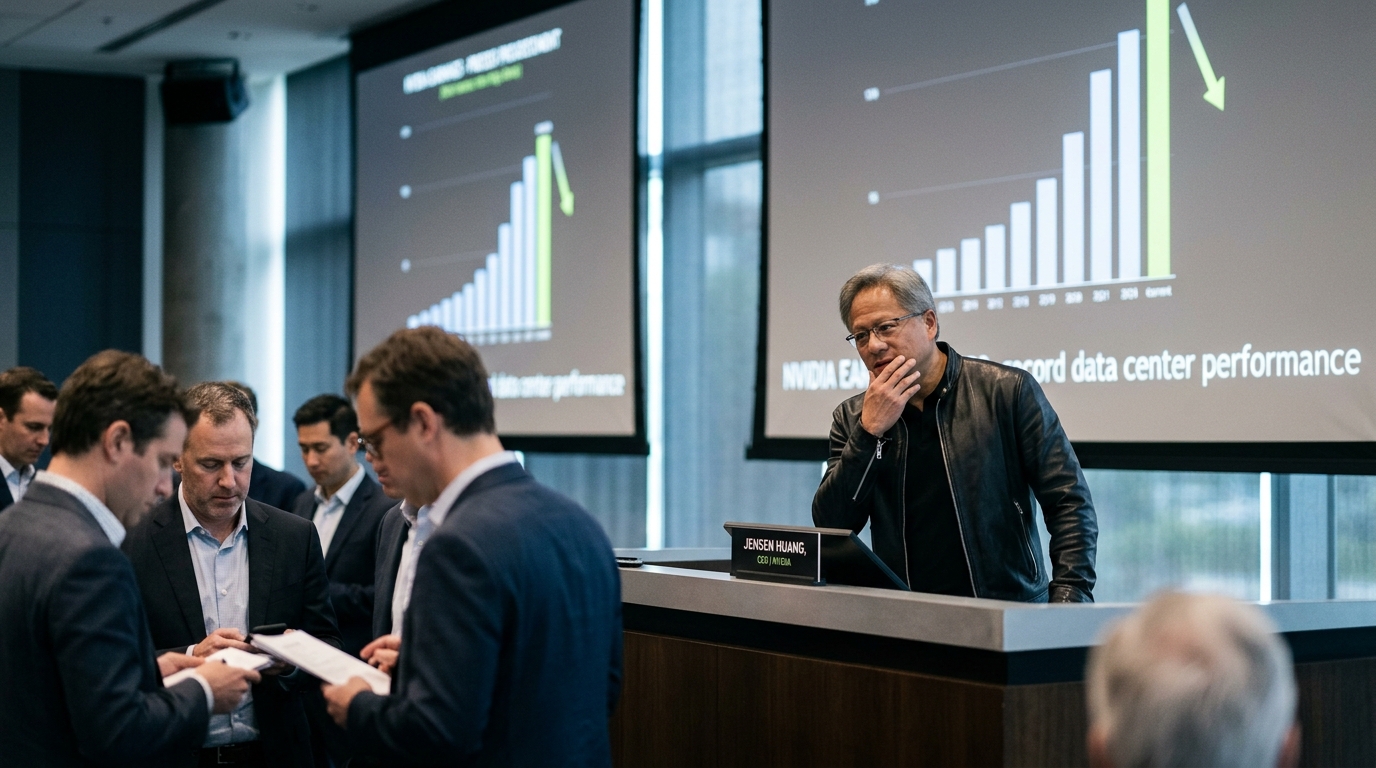
Here’s the thing about Micron right now. The company just reported one of the most staggering quarterly earnings in semiconductor history, and the stock is sitting roughly 22% below the post-earnings high it hit a few weeks later. That’s the kind of disconnect that tends to get interesting.
Let’s talk about what happened.
A Quarter That Rewrote the Record Books
On June 24, Micron reported fiscal Q3 2026 results that genuinely shocked the street. Revenue came in at $41.46 billion — up 346% from the same quarter a year ago — against a Wall Street consensus of roughly $35.5 billion. Non-GAAP EPS hit $25.11, crushing the $20.39 estimate. Gross margin expanded to approximately 85%, up from about 39% a year earlier. These are not incremental improvements. This is a business going through a structural transformation in real time.
The stock jumped sharply in extended trading after the report. Then, over the following weeks, it gave most of that back.
At around $979 as of July 10, MU is now trading roughly 22% below its post-earnings peak of over $1,200 — despite guiding for Q4 revenue of approximately $50 billion and EPS around $31. The business is accelerating. The stock is retreating. That gap is worth understanding.
What’s Actually Driving the Pullback
Two things hit at once. First, SK hynix — Micron’s most direct HBM competitor — debuted its U.S. Nasdaq ADR listing on July 10 under the symbol SKHYV, creating what some investors saw as a reason to rotate out of MU. Second, short-seller Michael Burry disclosed a short position.
Neither of those changes the underlying demand picture. Memory supply remains tight, with Micron indicating it can serve only about half to two-thirds of customer demand. Every Nvidia GPU that ships to a hyperscaler needs HBM to function. The hyperscalers have collectively earmarked over $725 billion in AI data center capex for 2026. That money runs through memory chips.
What’s more consequential than the quarterly numbers is the structural change Micron announced alongside them. The company disclosed 16 Strategic Customer Agreements with cumulative minimum revenue commitments of approximately $100 billion. Fourteen of those 16 deals are take-or-pay contracts. The memory industry has historically been brutally cyclical — demand crashes, prices collapse, margins evaporate. These agreements are designed to end that cycle before it begins.
Slight tangent, but it matters: Micron also signed a strategic agreement with Anthropic spanning memory and storage AI architecture design, supply and demand planning, and a strategic investment in Anthropic’s Series H funding round. That’s not a standard customer relationship. That’s a co-development-style agreement with one of the most important AI labs on earth.
The Numbers That Matter Going Forward
HBM’s total addressable market is expected to grow fast over the next several years, and Micron has publicly discussed targeting meaningful share of that opportunity. Do the math: HBM revenue alone could become a very large business by 2028 — from a segment that barely existed three years ago.
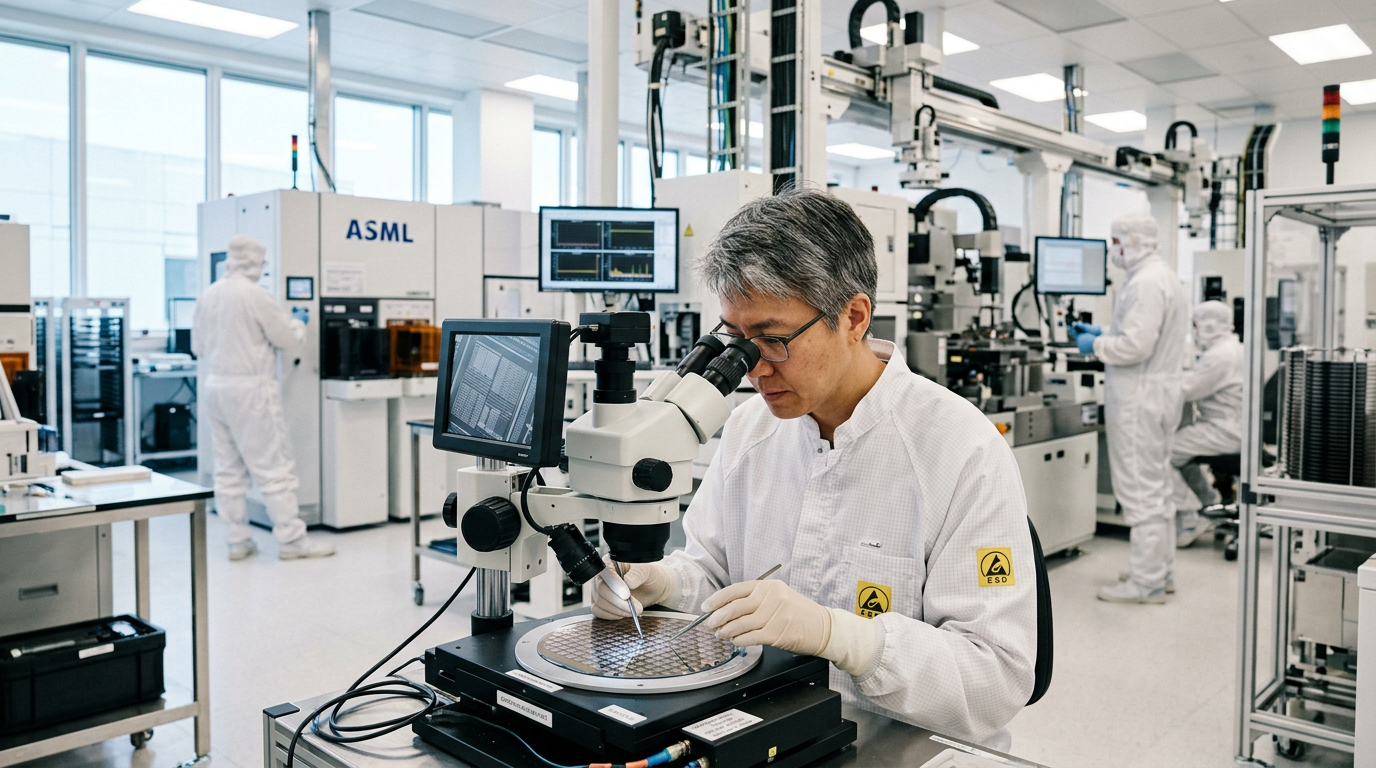
The company also announced a commitment to invest more than $250 billion in U.S.-based memory manufacturing and R&D through 2035, including a $100+ billion semiconductor manufacturing complex in Clay, New York that broke ground in January 2026.
29 analysts currently carry a Buy or Strong Buy on the stock, with a consensus price target around $1,264. One five-star Bank of America analyst called the market’s current read on MU underestimated. UBS said the pullback looks temporary and flagged memory prices as set to rise.
The Part People Are Skipping
Micron trades at roughly 6.7 times forward earnings. For a company growing revenue at this pace, with 100% of its most critical product sold out, and $100 billion in contracted future revenue, that multiple looks more like the market still pricing MU as a cyclical commodity business rather than the AI infrastructure company it has become. That gap between how the market still sees Micron and what Micron actually is may be where the opportunity lives.
The next earnings report is expected around September 22. Between now and then, the question is whether the pullback deepens or whether the street catches up to the Q4 guide. Either way, this is a stock worth watching closely.