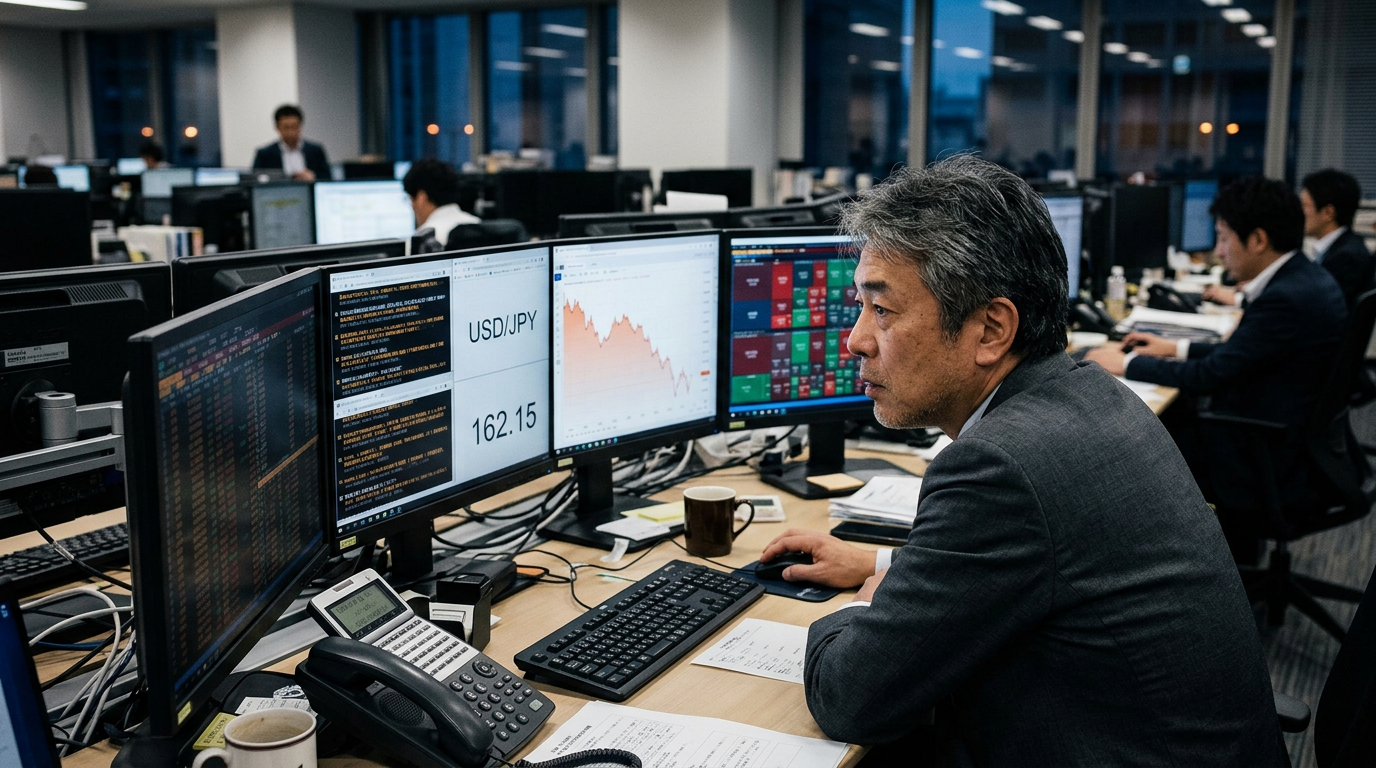
The setup here is uncomfortable. Not because the data is ambiguous — it isn’t — but because the market has been staring at this risk for months and decided to keep the trade on anyway.
That last part deserves a second read. Japan raised rates. Spent $72 billion defending the yen. And the yen is still at 162. That’s not a currency under pressure. That’s a currency in freefall that policy tools can’t stop.
Why It’s Still Happening
Net speculative short positions against the yen have climbed to $11.3 billion, near two-year highs. The trade is not unwinding. It’s growing.
Here’s what’s different this time around. BOJ board member Naoki Tamura argued the policy rate should gradually move toward a neutral level of around 2%, above the current 1%, raising rates by 0.25 percentage points at intervals of a few months. The market is pricing the BOJ as done. The BOJ is signaling it is not done.
Carry trades do not fear today’s rate. They fear tomorrow’s path. That’s the tension building right now.
The Unwind Risk Nobody Wants to Model
August 2024 is the reference point. A single BOJ rate hike triggered a global risk-off episode. The Nikkei fell more than 12% in one day. The S&P 500 corrected 6% in the days after. That was a smaller carry position than what exists today.
A yen carry trade unwind is one of the rare macroeconomic shocks that can simultaneously impact FX, equities, and credit due to its leverage-driven nature — not valuation alone. That’s the distinction markets keep glossing over. It’s not about whether stocks are fairly valued. It’s about forced selling driven by position mechanics.
What Investors Are Actually Missing
The consensus view is that the yen carry trade unwinds slowly, orderly, and over years as rate differentials narrow. That view has been correct so far. The problem is it only needs to be wrong once.
The stocks most directly in the crosshairs if a disorderly unwind hits: U.S. tech mega-caps — historically the preferred destination for yen carry funding — along with crypto assets, high-yield bonds, and any risk asset that benefited quietly from cheap yen liquidity over the past several years. The beneficiaries of a sudden yen surge would likely be Japanese domestic financials, which earn more as rates rise, and dollar hedges across the portfolio.
The yen is at 162. The BOJ is at 1% and climbing. The carry trade is near a two-year high. That’s three things pointing the same direction at the same time. What’s missing is the trigger — and triggers, by definition, don’t announce themselves.