Forget the headline number for a second. It’s staggering – we’ll get there. The more important thing is what happened structurally, because it changes how you have to think about Micron as a business, not just a stock.
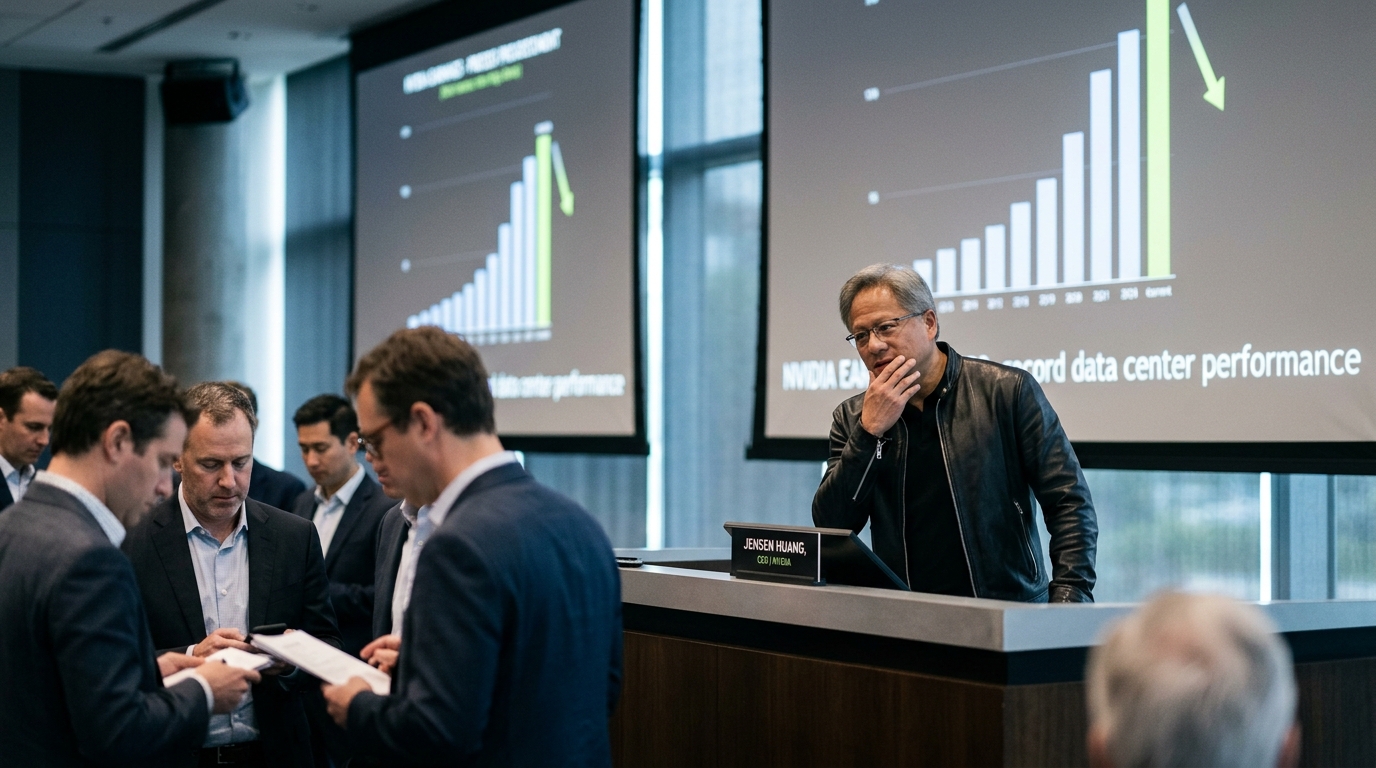
On Wednesday, Micron reported fiscal Q3 2026 revenue of $41.46 billion. That’s up 346% from $9.3 billion a year ago, beating Wall Street’s consensus of roughly $35.7 billion by more than $5 billion. Adjusted EPS came in at $25.11, versus expectations of around $20.49. Adjusted operating margins hit 81.2%.
Those aren’t memory chip numbers. Those are enterprise software numbers.
The stock jumped 15.7% the next day. Which, oddly enough, might be the market undershooting the significance of what was disclosed. Here’s why.
The most consequential thing Micron reported wasn’t a revenue figure. It was the structure of 16 Strategic Customer Agreements – take-or-pay contracts with large hyperscalers that lock in approximately $100 billion in minimum contracted revenue over their remaining term, backed by $22 billion in upfront customer cash deposits. Prepayments. From hyperscalers desperate to guarantee supply before it runs out.
What’s interesting is what this does to the memory cycle thesis. For decades, the bear case on memory companies was simple: demand is cyclical, prices collapse, margins evaporate, stocks fall 50%. The SCAs are explicitly designed to make that argument obsolete. If a customer commits to $100 billion in minimum purchases and pays cash upfront, you’ve largely hedged the downside before the downturn arrives.
No memory company has done this before at this scale.
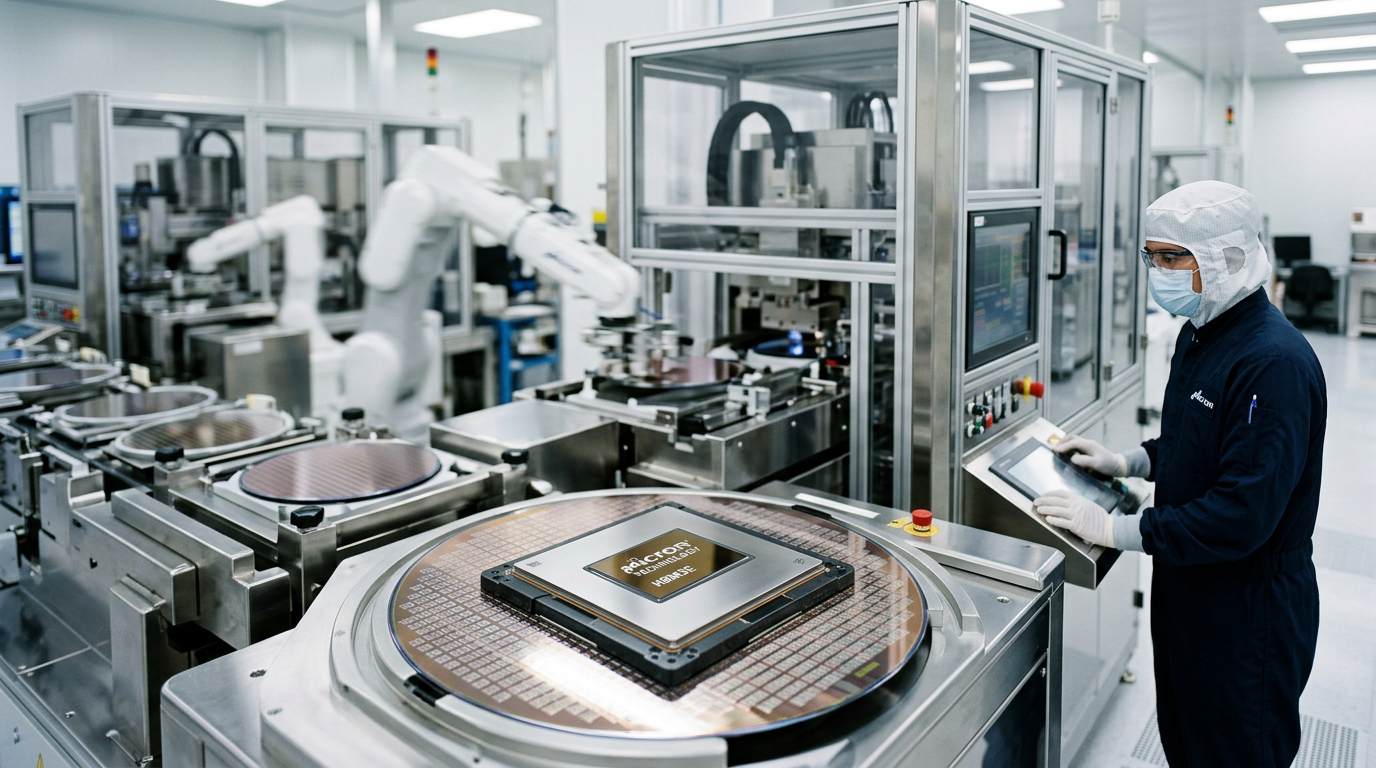
The supply constraint is real. CEO Sanjay Mehrotra said Micron can currently fulfill only between half and two-thirds of customer demand for HBM. The entire 2026 HBM allocation was sold out before the year began. HBM3E and HBM4 are fully booked through calendar 2027, with demand stretching into 2028. New fabrication capacity in Idaho doesn’t deliver meaningful output until fiscal 2028. The company itself said it has no high-confidence view of when supply catches up to demand.
HBM4 – the next-generation architecture built for Nvidia’s Vera Rubin platform – is ramping at roughly twice the pace of the previous generation and has already crossed $1 billion in revenue in its first full production quarter. The total addressable market for HBM is projected to grow at roughly 40% compounded annually through 2028, reaching approximately $100 billion from an estimated $35 billion in 2025.
Q4 guidance was $50 billion in revenue, plus or minus $1 billion. Analyst consensus was roughly $44 billion. Free cash flow in Q4 is expected to exceed $30 billion.
Slight tangent: The company began construction in January 2026 on a planned $100 billion semiconductor manufacturing complex in Clay, New York. That’s a multi-decade bet on domestic AI memory production – and it signals where management thinks this demand cycle ends up. Not a blip. A structural shift.
The part most investors are underweighting is the margin durability argument. A year ago, gross margins were 27%. They hit 81% last quarter. The instinct is to call a peak. But Micron’s pricing power is contractually locked in through multi-year SCAs, supply constraints persist well into 2027, and a new generation of AI infrastructure – including robotics, which management flagged as a 20-year demand vector – hasn’t even begun to materially draw on memory production.
The stock is up roughly 700% in a year. The forward guidance suggests the underlying business is still accelerating. That’s a genuinely uncomfortable tension for anyone trying to apply conventional valuation logic here – and probably why the market’s reaction, even on a massive earnings beat, still felt measured.
The memory cycle skeptics have been saying peak margins are coming for four consecutive quarters now. At some point, that may be right. But the structure of the business – locked contracts, prepaid cash, a supply deficit that won’t clear until 2028 – suggests the window for that argument may be narrower than the bears think.